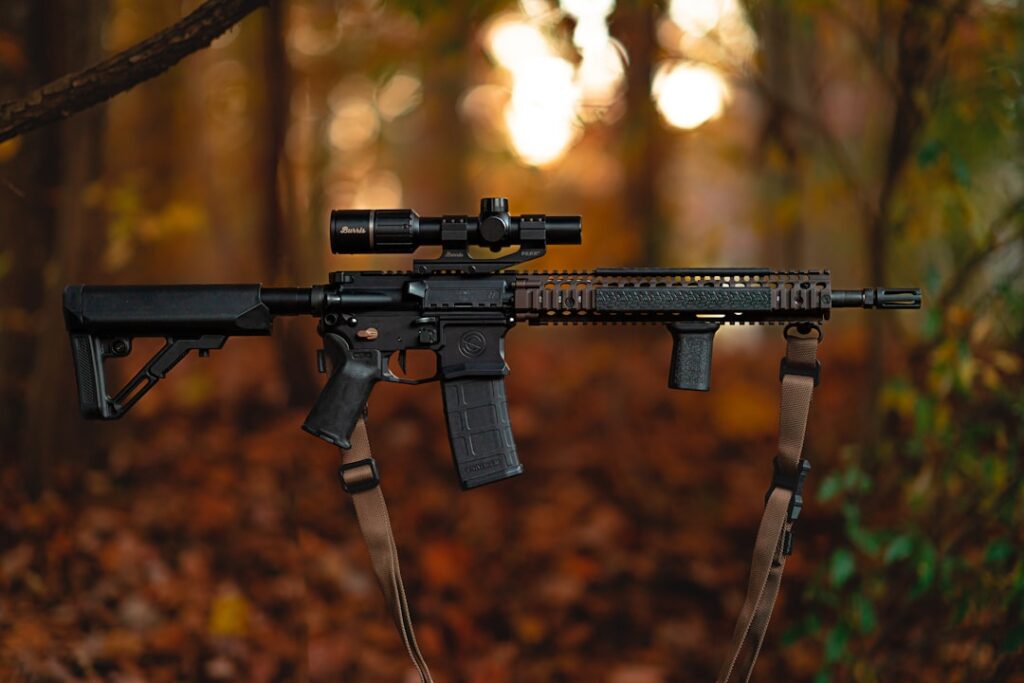
The 300 Winchester Magnum is a cartridge that has earned a reputation for its impressive performance and versatility in the world of long-range shooting. If you are an avid hunter or a competitive shooter, you may have encountered this powerful round, which is known for its ability to deliver high energy and flat trajectories over extended distances. The 300 Win Mag, as it is often referred to, is a favorite among those who seek precision and reliability in their shooting endeavors.
Its design allows for a wide range of bullet weights and types, making it suitable for various applications, from big game hunting to target shooting. As you delve deeper into the world of the 300 Winchester Magnum, you will discover that its popularity is not merely a result of marketing hype. The cartridge’s performance characteristics make it a formidable choice for anyone looking to enhance their shooting experience.
With its ability to maintain accuracy at long ranges, the 300 Win Mag has become a staple in the arsenals of many shooters. Understanding its history, ballistics, and factors affecting accuracy will provide you with valuable insights into how to maximize your shooting potential with this remarkable cartridge.
Key Takeaways
- The 300 Winchester Magnum is a popular long-range cartridge known for its accuracy and performance.
- The development of the 300 Winchester Magnum dates back to the mid-20th century, and it has since become a favorite among hunters and long-range shooters.
- The 300 Winchester Magnum offers excellent ballistics and performance, making it suitable for long-range shooting and hunting large game.
- Factors such as rifle quality, ammunition selection, and shooter skill can significantly affect the accuracy of the 300 Winchester Magnum.
- Barrel length and twist rate play a crucial role in the accuracy of the 300 Winchester Magnum, and choosing the right ammunition is essential for achieving optimal performance.
History and Development of the 300 Winchester Magnum
Design and Development
The cartridge was based on the .338 Winchester Magnum case, necked down to accommodate .308-inch bullets, which allowed it to achieve higher velocities and flatter trajectories than many of its predecessors.
Rise to Popularity
As you explore the history of the 300 Win Mag, you’ll notice that it quickly gained traction among hunters and competitive shooters alike. Its ability to deliver consistent performance across various conditions made it a popular choice for those venturing into the field or competing on the range.
Advancements and Legacy
Over the years, advancements in bullet technology and reloading practices have further enhanced the cartridge’s capabilities, solidifying its status as one of the most respected long-range cartridges available today.
Ballistics and Performance of the 300 Winchester Magnum
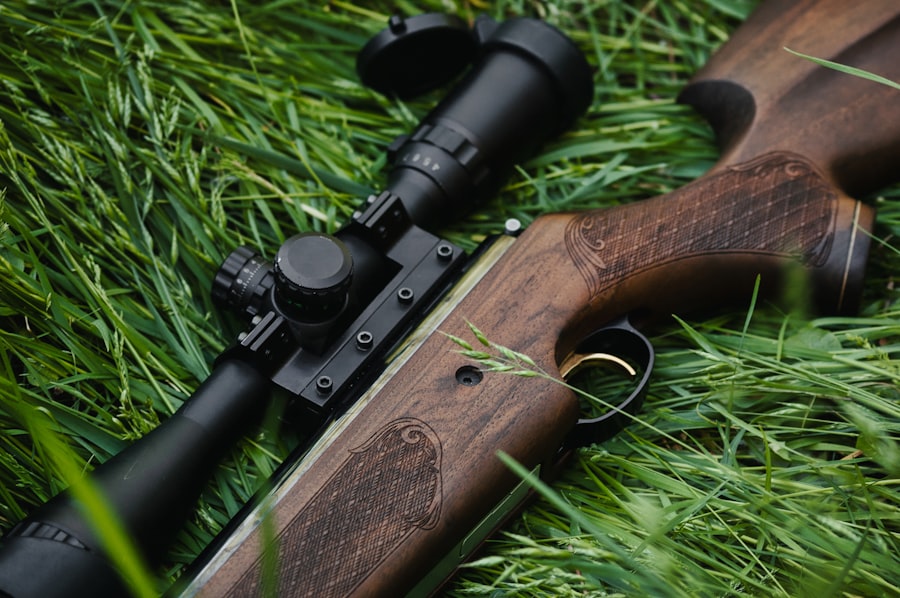
When it comes to ballistics, the 300 Winchester Magnum stands out due to its impressive velocity and energy retention. You may find that this cartridge can propel bullets weighing between 150 and 220 grains at speeds exceeding 3,000 feet per second, depending on the load. This high velocity translates into a flatter trajectory, allowing for more accurate shots at longer distances.
The combination of speed and energy makes it particularly effective for taking down large game animals, such as elk or moose, with minimal recoil. In terms of performance, the 300 Win Mag excels in various shooting scenarios.
The cartridge’s design allows for excellent bullet expansion and penetration, ensuring that your shots are effective even at extended ranges. As you become more familiar with its ballistics, you’ll appreciate how the 300 Winchester Magnum can enhance your shooting experience by providing both power and precision.
Factors Affecting Accuracy in the 300 Winchester Magnum
| Factor | Description |
|---|---|
| Barrel Length | The length of the barrel can affect the accuracy of the 300 Winchester Magnum. |
| Ammunition Quality | The quality of the ammunition used can impact the accuracy of the rifle. |
| Scope Quality | The quality of the scope can affect the precision of the shots. |
| Shooter Skill | The skill and experience of the shooter can greatly influence the accuracy of the rifle. |
| Environmental Conditions | Factors such as wind, temperature, and humidity can impact the accuracy of the 300 Winchester Magnum. |
Achieving accuracy with the 300 Winchester Magnum involves understanding several key factors that can influence your shooting performance. One of the most significant aspects is the quality of your rifle and its components. If you invest in a well-made firearm that is properly fitted to your needs, you will likely see improved accuracy.
Additionally, factors such as barrel harmonics, bedding, and trigger pull can all play a role in how well your rifle performs with this cartridge. Another critical factor affecting accuracy is environmental conditions. Wind, temperature, humidity, and altitude can all impact bullet trajectory and performance.
As you shoot with the 300 Win Mag, you’ll need to account for these variables to ensure that your shots land where you intend them to. Understanding how these elements interact with your ammunition will help you make necessary adjustments and improve your overall accuracy.
Importance of Barrel Length and Twist Rate in Accuracy
The barrel length of your rifle can significantly influence the performance of the 300 Winchester Magnum. A longer barrel typically allows for increased velocity and improved accuracy due to better stabilization of the bullet as it travels down the barrel. If you are considering a rifle chambered in this caliber, you may want to opt for a barrel length of at least 24 inches to maximize its potential.
This length provides ample time for the powder to burn completely and ensures that your bullet exits with optimal velocity. Twist rate is another crucial factor that affects accuracy with the 300 Win Mag. The twist rate refers to how many inches it takes for the rifling in the barrel to make one complete turn.
A common twist rate for this cartridge is 1:10 inches, which works well for stabilizing a wide range of bullet weights. However, if you plan to use heavier bullets, you might consider a faster twist rate to ensure proper stabilization. By understanding how barrel length and twist rate impact accuracy, you can make informed decisions when selecting your rifle.
Choosing the Right Ammunition for Accuracy

Selecting the right ammunition is essential for achieving optimal accuracy with your 300 Winchester Magnum. With numerous options available on the market, it can be overwhelming to determine which load will best suit your needs. When choosing ammunition, consider factors such as bullet weight, type, and construction.
For example, if you’re hunting large game, you may want to opt for heavier bullets designed for deep penetration and expansion upon impact. Additionally, experimenting with different brands and loads can help you identify which ammunition performs best in your specific rifle. You may find that certain loads group tighter than others or perform better under varying environmental conditions.
By taking the time to test various ammunition options, you’ll be better equipped to make informed choices that enhance your accuracy with the 300 Win Mag.
Optics and Sighting Systems for the 300 Winchester Magnum
To fully capitalize on the capabilities of your 300 Winchester Magnum, investing in quality optics is crucial. A good scope can significantly improve your ability to acquire targets quickly and accurately at long ranges. When selecting optics for your rifle, consider factors such as magnification range, reticle type, and overall build quality.
A scope with adjustable magnification will allow you to adapt to different shooting scenarios, whether you’re engaging targets at close range or reaching out to longer distances. In addition to traditional scopes, you may also want to explore other sighting systems such as red dot sights or holographic sights. These options can provide faster target acquisition in certain situations but may not offer the same level of precision at long ranges as a high-quality scope.
Ultimately, choosing the right optics will depend on your specific shooting style and preferences.
Tips for Improving Accuracy in the 300 Winchester Magnum
Improving your accuracy with the 300 Winchester Magnum requires practice and attention to detail. One effective way to enhance your shooting skills is by focusing on your shooting technique. Ensure that you maintain a proper stance and grip while shooting; this will help minimize movement during recoil and improve shot placement.
Additionally, practicing breath control and trigger discipline will contribute significantly to your overall accuracy. Another valuable tip is to regularly clean and maintain your rifle. A clean barrel ensures consistent performance by preventing fouling that can affect bullet stability and accuracy over time.
Regularly inspecting your rifle’s components will also help identify any potential issues that could hinder performance. By dedicating time to practice and maintenance, you’ll be well on your way to improving your accuracy with the 300 Win Mag.
Testing and Evaluating Accuracy in the 300 Winchester Magnum
To truly understand how well your setup performs with the 300 Winchester Magnum, it’s essential to conduct thorough testing and evaluation of accuracy. Start by setting up a controlled shooting environment where you can minimize external variables such as wind or distractions. Use a stable shooting platform or bench rest to ensure consistency during testing.
As you shoot different loads or configurations, take detailed notes on group sizes and shot placement at various distances. This data will help you identify trends in performance and determine which combinations yield the best results. By systematically testing and evaluating your setup, you’ll gain valuable insights into how to optimize your accuracy with this powerful cartridge.
Comparing the 300 Winchester Magnum to Other Popular Long-Range Cartridges
When considering long-range cartridges, it’s essential to compare the 300 Winchester Magnum with other popular options available on the market today. Cartridges such as the .308 Winchester or .338 Lapua Magnum each have their unique characteristics that may appeal to different shooters based on their specific needs or preferences. For instance, while .308 offers excellent versatility and availability, it may not match the raw power of the 300 Win Mag when it comes to taking down larger game at extended ranges.
On the other hand, cartridges like .338 Lapua Magnum provide even greater energy levels but often come with increased recoil and cost considerations. As you evaluate these options against the 300 Win Mag, consider factors such as intended use, recoil tolerance, ammunition availability, and overall cost-effectiveness. By understanding how these cartridges stack up against one another, you’ll be better equipped to make informed decisions about which option best suits your shooting style.
Final Thoughts on the Accuracy of the 300 Winchester Magnum
In conclusion, the 300 Winchester Magnum stands out as an exceptional choice for those seeking accuracy and performance in long-range shooting scenarios. Its rich history and development have led to a cartridge that consistently delivers impressive results across various applications—from hunting big game to competitive shooting events. By understanding its ballistics, factors affecting accuracy, and how to optimize your setup through proper ammunition selection and optics choices, you can unlock its full potential.
As you continue your journey with the 300 Win Mag, remember that practice is key to mastering any firearm or cartridge combination. By dedicating time to refine your skills and evaluate your equipment regularly, you’ll find yourself becoming more proficient with this powerful round over time. Ultimately, whether you’re pursuing game in rugged terrain or honing your skills on the range, embracing the capabilities of the 300 Winchester Magnum will undoubtedly enhance your shooting experience.
The accuracy of the 300 Winchester Magnum has been a topic of interest among hunters and shooters alike. For those looking to delve deeper into this subject, there is a helpful article on 300wm.com that provides valuable insights and information on the accuracy of the 300 Winchester Magnum. This article explores various factors that can affect the accuracy of this powerful cartridge, such as barrel length, bullet weight, and powder charge. Whether you are a seasoned marksman or a novice shooter, this article is sure to provide you with the knowledge you need to maximize the accuracy of your 300 Winchester Magnum rifle.
FAQs
What is the effective range of a 300 Winchester Magnum?
The effective range of a 300 Winchester Magnum is typically around 1000 yards for hunting and target shooting.
What is the accuracy of a 300 Winchester Magnum?
The accuracy of a 300 Winchester Magnum can vary depending on the specific rifle, ammunition, and shooter skill, but it is generally known for its long-range accuracy and ability to maintain a flat trajectory.
What factors can affect the accuracy of a 300 Winchester Magnum?
Factors that can affect the accuracy of a 300 Winchester Magnum include the quality of the rifle, the quality and consistency of the ammunition, the shooter’s skill and technique, environmental conditions such as wind and temperature, and the rifle’s scope and sighting system.
Is the 300 Winchester Magnum suitable for long-range shooting?
Yes, the 300 Winchester Magnum is well-suited for long-range shooting due to its high velocity, flat trajectory, and long effective range.
What type of ammunition is best for maximizing the accuracy of a 300 Winchester Magnum?
For maximizing accuracy, it is recommended to use high-quality, match-grade ammunition that is specifically designed for long-range shooting. The specific bullet weight and design can also impact accuracy, so it’s important to experiment with different types to find the best match for your rifle.

