
The 300 Winchester Magnum is a cartridge that has earned a reputation for its versatility and effectiveness in various shooting applications. Developed in the 1960s, this round is known for its flat trajectory and impressive stopping power, making it a favorite among hunters and long-range shooters alike. When you choose the 300 Winchester Magnum, you are opting for a cartridge that can deliver high energy and accuracy over extended distances, which is essential for both big game hunting and competitive shooting.
One of the defining characteristics of the 300 Winchester Magnum is its ability to maintain velocity over long ranges. This means that when you pull the trigger, you can expect your bullet to travel with minimal drop and drift, allowing for more precise shots even at distances that would challenge lesser cartridges. Additionally, the 300 Winchester Magnum is compatible with a wide range of bullet weights and types, giving you the flexibility to tailor your ammunition to specific hunting scenarios or shooting disciplines.
Understanding these attributes will help you appreciate why this cartridge has become a staple in the firearms community.
Key Takeaways
- The 300 Winchester Magnum is a powerful and versatile cartridge known for its long-range accuracy and stopping power.
- When choosing a rifle for the 300 Winchester Magnum, consider factors such as weight, barrel length, and stock design to ensure optimal performance.
- Selecting the right ammunition for the 300 Winchester Magnum involves considering bullet weight, design, and ballistic coefficient for the intended use.
- Mastering long-range shooting with the 300 Winchester Magnum requires understanding wind drift, bullet drop, and proper scope adjustments.
- Effective recoil management when using the 300 Winchester Magnum involves proper shooting stance, grip, and utilizing recoil-reducing accessories.
Choosing the Right Rifle for 300 Winchester Magnum
Weight Considerations
A heavier rifle can help mitigate recoil, which is particularly beneficial when shooting a powerful cartridge like the 300 Winchester Magnum. On the other hand, if you plan to carry your rifle over long distances while hunting, a lighter model may be more suitable.
Action Type
Another important aspect to consider is the action type of the rifle. Bolt-action rifles are often favored for their reliability and accuracy, making them a popular choice for long-range shooting with the 300 Winchester Magnum.
Choosing the Right Rifle for You
However, semi-automatic rifles can also be effective, especially in situations where follow-up shots may be necessary. Ultimately, your choice should align with your shooting style and intended use, ensuring that you feel comfortable and confident with your firearm.
Selecting the Ideal Ammunition for 300 Winchester Magnum
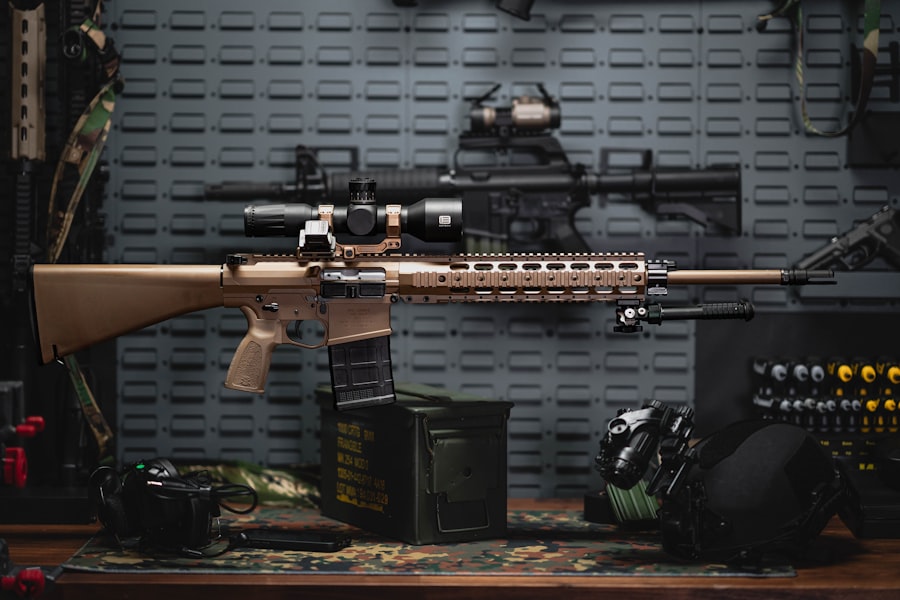
When it comes to ammunition for your 300 Winchester Magnum, the options are vast and varied. You’ll want to consider factors such as bullet weight, type, and purpose when making your selection. For instance, if you’re hunting large game like elk or moose, heavier bullets in the range of 180 to 200 grains are often recommended due to their ability to penetrate deeply and deliver significant energy upon impact.
Conversely, if you’re targeting smaller game or engaging in long-range target shooting, lighter bullets around 150 grains may be more appropriate. In addition to bullet weight, you should also pay attention to the bullet construction. Different types of bullets are designed for specific purposes; for example, soft-point bullets expand upon impact, making them ideal for hunting, while full metal jacket bullets are better suited for target practice due to their reduced expansion.
By understanding these nuances in ammunition selection, you can ensure that you’re equipped with the right rounds for your specific shooting needs.
Mastering Long-Range Shooting with 300 Winchester Magnum
| Metrics | 300 Winchester Magnum |
|---|---|
| Effective Range | 1000+ yards |
| Velocity | 2960 fps (feet per second) |
| Energy | 3500 ft-lbf (foot-pounds) |
| Accuracy | Sub-MOA (Minute of Angle) |
Long-range shooting with the 300 Winchester Magnum can be an exhilarating experience, but it requires practice and skill to master. One of the first steps in becoming proficient at long-range shooting is understanding ballistics. You’ll need to familiarize yourself with how factors like wind, humidity, and altitude can affect your shot.
The 300 Winchester Magnum’s flat trajectory can work in your favor, but it’s essential to account for these variables to ensure accuracy. Another critical aspect of long-range shooting is developing a consistent shooting technique. This includes mastering your breathing control, trigger pull, and follow-through.
You may find it helpful to practice at various distances to build confidence and improve your ability to make adjustments based on environmental conditions. Additionally, investing in quality optics can significantly enhance your long-range shooting experience by providing clearer sight pictures and more precise adjustments.
Tips for Recoil Management When Using 300 Winchester Magnum
Recoil management is an important consideration when shooting the 300 Winchester Magnum due to its powerful nature. The force generated by this cartridge can be significant, especially for those who are new to high-caliber rifles. One effective way to manage recoil is by choosing a rifle that fits you well; a proper fit can help distribute recoil more evenly across your body, reducing felt impact.
Another strategy involves using a muzzle brake or recoil pad on your rifle.
Additionally, practicing proper shooting stance and grip can further mitigate recoil effects.
By focusing on these techniques, you can enhance your shooting experience and maintain accuracy despite the powerful kick of the 300 Winchester Magnum.
Hunting Big Game with 300 Winchester Magnum
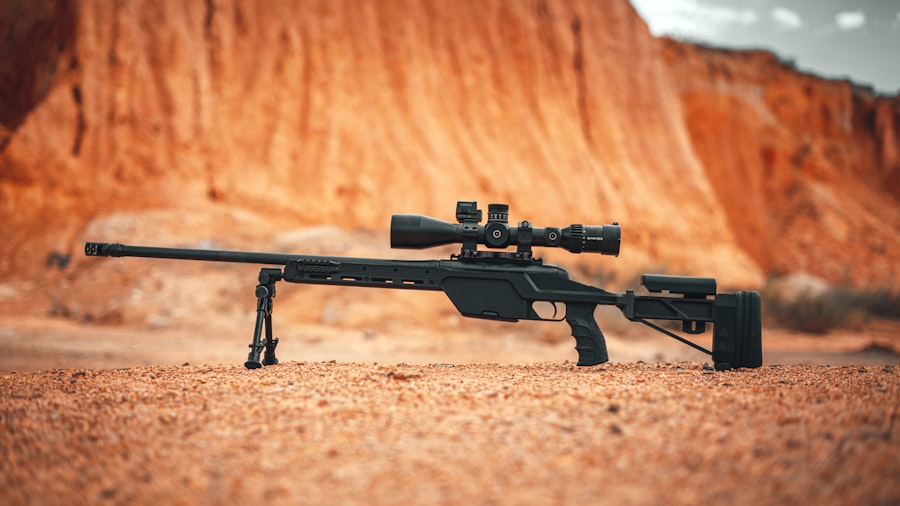
Effective on Large Game
The high velocity and energy transfer of the 300 Winchester Magnum make it particularly suitable for species such as elk, bear, and moose.
Shot Placement is Key
When hunting big game with the 300 Winchester Magnum, shot placement becomes paramount. You’ll want to ensure that you’re familiar with the anatomy of your target species so that you can make ethical shots that result in quick kills.
Choosing the Right Ammunition
Additionally, understanding how different bullet types perform on various game animals will help you make informed decisions about ammunition selection based on your specific hunting scenario.
Mastering Shot Placement with 300 Winchester Magnum
Achieving mastery in shot placement is essential when using the 300 Winchester Magnum for hunting or target shooting. The effectiveness of this powerful cartridge hinges not only on its ballistic performance but also on where you place your shots. Familiarizing yourself with vital zones on game animals will enable you to make quick and humane kills while minimizing suffering.
To improve your shot placement skills, consider practicing at various distances and angles. This will help you develop an instinctive understanding of how to adjust your aim based on different scenarios you may encounter in the field. Additionally, utilizing targets that simulate real-life hunting situations can enhance your training experience and prepare you for actual hunts.
Tracking and Recovering Game After Using 300 Winchester Magnum
Once you’ve taken a shot with your 300 Winchester Magnum, tracking and recovering your game becomes a critical part of the hunting process. Understanding how to read blood trails and animal behavior after a shot can significantly increase your chances of a successful recovery. Pay attention to factors such as blood color and consistency; bright red blood often indicates a lung shot, while darker blood may suggest a hit in the liver or stomach.
In addition to tracking blood trails, being aware of how animals react after being shot can provide valuable clues about their condition. For instance, if an animal runs off quickly after being hit but then slows down or stumbles, it may indicate a vital hit. Patience is key during this phase; giving the animal time to expire before beginning your search can prevent unnecessary stress on both you and the animal.
Shooting in Adverse Weather Conditions with 300 Winchester Magnum
Shooting in adverse weather conditions presents unique challenges that require careful consideration when using the 300 Winchester Magnum. Rain, snow, wind, and extreme temperatures can all affect both your performance and the behavior of your target animals. To prepare for these conditions, ensure that both you and your equipment are adequately protected from the elements.
When it comes to wind, understanding how it affects bullet trajectory is crucial for accurate shooting. You may need to adjust your aim based on wind speed and direction; practicing in windy conditions can help you develop this skill over time. Additionally, keeping your rifle clean and dry will ensure reliable performance regardless of weather conditions.
Maintaining and Cleaning Your 300 Winchester Magnum Rifle
Proper maintenance and cleaning of your 300 Winchester Magnum rifle are essential for ensuring its longevity and performance. Regular cleaning helps prevent corrosion and buildup of fouling from fired rounds, which can negatively impact accuracy over time.
In addition to regular cleaning, it’s important to perform routine inspections of your rifle’s components. Check for any signs of wear or damage that could affect functionality or safety. By staying proactive about maintenance, you’ll not only extend the life of your rifle but also enhance its reliability when it matters most.
Safety Precautions When Hunting with 300 Winchester Magnum
Safety should always be a top priority when hunting with any firearm, including the powerful 300 Winchester Magnum. Before heading into the field, ensure that you are familiar with basic firearm safety rules: always treat every gun as if it’s loaded, keep your finger off the trigger until ready to shoot, and be aware of your surroundings at all times. Additionally, wearing appropriate safety gear such as hearing protection and eye protection is crucial when shooting or hunting with high-caliber rifles like the 300 Winchester Magnum.
It’s also wise to communicate clearly with fellow hunters about your location and intentions to avoid accidents in the field. By adhering to these safety precautions, you can enjoy a successful hunting experience while minimizing risks associated with firearm use.
If you are interested in learning more about hunting with the 300 Winchester Magnum, you may want to check out this article on 300wm.com that discusses the benefits and drawbacks of using this powerful rifle for hunting big game. The article provides valuable insights into the performance of the 300 Winchester Magnum in various hunting scenarios and offers tips for maximizing its effectiveness in the field. Whether you are a seasoned hunter or a novice looking to upgrade your gear, this article is sure to provide valuable information on the 300 Winchester Magnum and its capabilities.
FAQs
What is the 300 Winchester Magnum?
The 300 Winchester Magnum is a popular rifle cartridge known for its long-range accuracy and powerful performance. It was introduced in 1963 by Winchester Repeating Arms Company.
What type of game can be hunted with a 300 Winchester Magnum?
The 300 Winchester Magnum is suitable for hunting a wide range of game, including deer, elk, moose, and bear. Its long-range capabilities make it particularly effective for hunting larger game at extended distances.
What are the advantages of hunting with a 300 Winchester Magnum?
The 300 Winchester Magnum offers excellent long-range accuracy and high muzzle velocity, making it well-suited for hunting in open terrain. It also delivers strong terminal ballistics, ensuring effective shot placement and game retrieval.
What are the potential drawbacks of using a 300 Winchester Magnum for hunting?
The main drawbacks of the 300 Winchester Magnum are its recoil and ammunition cost. The rifle’s powerful performance can result in significant recoil, which may be uncomfortable for some shooters. Additionally, the high cost of ammunition can be a consideration for those on a budget.
What are some recommended hunting rifles chambered in 300 Winchester Magnum?
Some popular hunting rifles chambered in 300 Winchester Magnum include the Remington Model 700, Winchester Model 70, and Browning X-Bolt. These rifles are known for their reliability, accuracy, and durability in the field.

