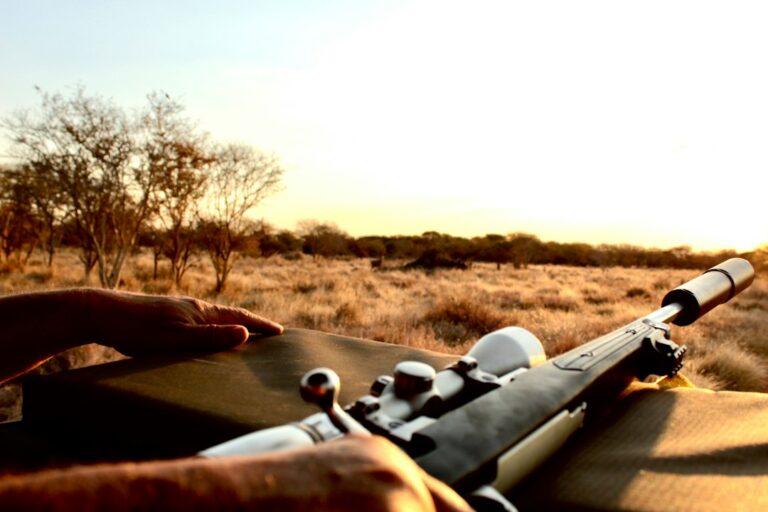
We embark on a journey that demands precision, discipline, and an unwavering commitment to safety: mastering the art of responsible long-range shooting with the venerable .300 Winchester Magnum. This cartridge, renowned for its power and flat trajectory, offers incredible capabilities for both target sports and ethical hunting at extended distances. However, its potential is only realized through methodical training, a deep understanding of ballistics, and a respect for the forces at play. We believe that true proficiency is built on a foundation of data, not bravado, and that every shot taken, especially at long range, must be a deliberate act of skill and responsibility. Our goal is to guide you through a structured approach, ensuring that your journey to long-range competence is both effective and ethical.
Establishing Our Responsible Range and Foundation
Our first step in training responsibly for long-range .300 Win Mag shooting is to realistically define what “long-range” means for us, specifically considering ethical boundaries for hunting and the practical limits of our skill. We understand that merely being able to hit a target at an extreme distance does not automatically equate to an ethical shot on game. Our focus will always be on consistent, humane performance.
Defining Our Ethical Maximum Range
For hunting purposes, many experienced outfitters and ethical hunters consider approximately 500 yards as the ethical ceiling for the average hunter under real field conditions with a .300 Win Mag. This isn’t an arbitrary number; it accounts for variables like changing wind, animal movement, and the stress of a hunting scenario. While ballistic checks confirm that a typical .300 Win Mag hunting load often retains adequate velocity for reliable bullet expansion and sufficient energy for deer-sized game around 600 yards, this theoretical performance is only responsible if we can consistently place that bullet into a vital-sized target with extreme reliability. Our responsibility dictates that our practical maximum range for hunting must be significantly less than the theoretical ballistic limit, scaled by our proven ability to perform under pressure. We must always strive for a clean, humane harvest, and any shot that falls outside our consistent ability is, by definition, an unethical one.
Starting Modestly and Growing Our Limits
Ego has no place on the long-range firing line. We begin our training by establishing a solid baseline at distances where we are already comfortable. This means starting by shooting tight groups at, say, 200 to 400 yards, where our fundamental marksmanship skills can be refined without the added complexity of extreme drop or wind drift. Once we consistently achieve satisfactory groups at these moderate distances, we then gradually extend our range. We propose stepping out in manageable 100-yard increments, meticulously recording our hit percentage on realistic field-style targets. For hunting practice, we use targets that simulate an 8-10 inch vital zone, forcing us to be precise. We make a conscious decision to stop extending our range once our consistency on that vital zone target drops below our self-imposed ethical standard—for example, if we can no longer maintain a 90% hit rate. This data-driven approach ensures that our long-range capabilities are built on a solid foundation of proven performance, not hopeful speculation. It’s about building a reliable personal dope card based on verifiable data, which will give us true confidence when it matters most.
For those looking to enhance their skills in long-range shooting with the .300 Win Mag, it’s essential to understand the importance of responsible training practices. A related article that provides valuable insights on this topic is available at 300wm.com. This resource offers tips on equipment selection, shooting techniques, and mental preparation, all crucial for achieving accuracy and consistency in long-range shooting.
Ammunition Selection and Ballistic Profiling
The .300 Win Mag is a powerful cartridge, but its long-range potential is only fully realized with the right ammunition and a precise understanding of its unique ballistic profile within our specific rifle. We cannot rely on generalized data; we must gather specific information to ensure accuracy and ethical performance.
Choosing Appropriate Long-Range Ammunition
The type of ammunition we choose is paramount, and it varies based on our primary objective: target shooting or hunting. For dedicated long-range target work, our preference leans heavily towards high-ballistic coefficient (BC) match bullets, typically in the 180-grain and heavier class, often with hollow-point boat-tail (HPBT) designs. These bullets are engineered to minimize wind drift and retain velocity over extended distances, allowing for tighter groups and more predictable trajectories. They are designed for precision, not necessarily terminal performance on game.
Conversely, for hunting, our selection shifts to controlled-expansion bullets in the 150-200 grain class. We prioritize reputable lines known for their consistent terminal performance, such as Nosler Partition, Federal Trophy Bonded Tip, Hornady CX, or Swift Scirocco. The critical aspect here is ensuring that these bullets expand reliably and retain sufficient weight at the velocities they will achieve at our maximum ethical hunting range. It is absolutely vital that we confirm the real-world trajectory and performance of these specific hunting loads in our rifle, not just trust manufacturer claims or online data. Every rifle and ammunition combination is unique, and field-testing is non-negotiable.
Chronographing and Building a Real Ballistic Profile
One of the most significant steps we can take to improve our long-range accuracy is to move beyond factory box numbers for muzzle velocity. These numbers are often derived from test barrels and may not accurately reflect the velocity our specific rifle achieves. Therefore, we utilize a chronograph to measure the actual muzzle velocity of our chosen ammunition. This real-world data is then plugged into a high-quality ballistic calculator, providing a far more accurate starting point for our ballistic predictions.
Once we have our actual muzzle velocity, we embark on the critical process of confirming our ballistic “dope” (data on previous engagements) at 100-yard intervals out to our planned maximum range. This isn’t just about shooting; it’s about meticulous data collection. We record not only the actual impact points relative to our aiming point but also the environmental conditions at the time of shooting: temperature, atmospheric pressure, and wind speed and direction. This comprehensive log allows us to build a precise, real-world ballistic profile for our rifle and ammunition combination, accounting for the unique characteristics of our system. This documented dope will be our most valuable asset for making accurate adjustments in the field.
Mastering Field Positions and Recoil Management
While precision is often associated with a bench rest, true long-range proficiency, especially for hunting, demands mastery of realistic field positions. Furthermore, the recoil of a .300 Win Mag can be substantial, and managing it effectively is crucial for consistent accuracy and preventing the development of a flinch.
Training from Realistic Field Positions
We use the bench rest for a very specific and limited purpose: to zero our rifle and verify its mechanical accuracy. Beyond that, our training shifts dramatically towards positions that mimic actual hunting scenarios. The prone position, supported by a bipod or a pack, is a highly stable and frequently used field position. We also practice sitting and kneeling with shooting sticks, and utilizing tripod rests. The goal is to develop proficiency in rapidly acquiring a stable shooting platform from various starting points.
This means more than just getting into position; it means practicing the entire sequence: quickly building a stable position from standing, ranging the target, making the necessary elevation and windage adjustments (whether dialing or holding), and then breaking a clean shot within a realistic time window. We understand that in a hunting scenario, opportunities can be fleeting, and the ability to execute these steps smoothly and quickly is as important as the ability to shoot accurately from a perfectly stable bench. This approach helps us define our practical, ethical limits under field conditions.
Body Position, Natural Point of Aim, and Trigger Control
Achieving consistent accuracy, particularly with a magnum cartridge, hinges on impeccable fundamentals. In the prone position, we strive for maximum contact with the ground: legs spread, heels down, torso square behind the rifle, and the support elbow directly under the rifle to form a stable tripod. Crucially, we focus on maintaining a straight recoil line from the rifle into our shoulder. This allows the body to absorb recoil linearly, minimizing muzzle jump and aiding in follow-through.
Trigger control with a .300 Win Mag is paramount. The heavy recoil can induce a flinch if not properly managed. We emphasize using a crisp, clean trigger with an appropriate pull weight, focusing on steady, gradual pressure until the shot breaks, without any jerking or anticipating the recoil. We practice controlling our breathing, aiming at the natural point of aim (the point where the rifle settles naturally without conscious muscle effort), and then executing a clean, surprise break. Consistent practice of these fundamentals, even with heavy recoil, builds muscle memory and confidence.
Proactive Recoil Management
The recoil of a .300 Win Mag can be a significant barrier to accuracy if not managed proactively. We consider several tools and techniques to mitigate its effects. A muzzle brake, properly installed and rated for the .300 Win Mag and our barrel length, can dramatically reduce felt recoil, allowing us to maintain better form and potentially spot our own impacts. Suppressors, while also reducing recoil, offer the additional benefit of hearing protection, which is invaluable during training.
Beyond accessories, stock fit is critical. An adjustable length of pull and comb height allows us to customize the rifle to our body, ensuring a consistent and comfortable cheek weld and optimal eye relief with our optic. We avoid positions where our back is against a hard surface, which can amplify felt recoil. Instead, we lean slightly forward, keeping our weight over our knees or hips, allowing our body to “absorb” the recoil rather than being rigidly slammed by it. This combination of equipment and technique helps us to manage recoil effectively, promoting better form, follow-through, and ultimately, greater accuracy.
Navigating the Wind and Simulating Stress
Once we’ve established our foundation in marksmanship and recoil management, we must confront the most elusive variable in long-range shooting: wind. Furthermore, true long-range competency demands that we prepare for the imperfect conditions and stresses of real-world scenarios.
Training Our Wind-Reading and Wind Holds
Long-range misses are far more often attributed to misjudging the wind than to incorrect elevation. This truth dictates that we dedicate specific training sessions solely to learning wind calls and holds. We begin on calmer days to build a baseline understanding of how our bullets drift with minimal wind, allowing us to focus on elevation adjustments. Then, we intentionally transition to training in moderate wind conditions.
During these sessions, we meticulously log everything: the estimated wind speed and direction, our chosen wind hold (whether dialing for windage or using reticle holds), and the actual impact point. We observe flags, mirage, and vegetation to refine our wind reading skills. We experiment with different hold methods using our preferred reticle, validating which method we can execute most reliably under time pressure. Understanding how wind interacts with our bullet at various ranges and how to translate that into a precise adjustment is a skill that only comes with deliberate, focused practice and detailed data collection.
Simulating Real Stress and Imperfect Conditions
Only after our fundamentals are solid and we can hit reliably in good, controlled conditions do we introduce elements of stress and imperfection. This is where we truly define our practical limits. We practice in less-than-ideal scenarios: brisk winds, awkward shooting rests (such as over a backpack, sitting in tall grass, or kneeling off a tripod), and under mild time pressure. These simulations are not about pushing extreme distances for ego; they are about understanding how our performance degrades under pressure and identifying our genuine maximum effective range under field conditions.
A critical rule we adhere to is this: we do not push to extreme distances or attempt shots in adverse conditions if we cannot fully explain where the bullet will go and why it will go there. If there’s any doubt about our ability to predict the bullet’s path due to wind, mirage, or an unstable position, we simply do not take that shot on game. This disciplined approach is the cornerstone of ethical long-range hunting. It ensures that our decisions are based on proven capability and sound judgment, not hope or speculation.
If you’re looking to enhance your skills in long-range shooting with the .300 Win Mag, it’s essential to understand the importance of proper training techniques. A related article that delves into the fundamentals of marksmanship and the necessary equipment for long-range precision can be found here. This resource provides valuable insights that can complement your training regimen and help you achieve better accuracy and consistency in your shooting practice.
Structured Progression and Equipment Optimization
| Training Aspect | Recommended Practice | Frequency | Key Metrics to Track | Notes |
|---|---|---|---|---|
| Fundamental Marksmanship | Dry fire practice focusing on trigger control and sight alignment | 3-4 times per week | Trigger smoothness, sight picture consistency | Use snap caps to avoid wear |
| Live Fire Training | Range sessions shooting at varying distances (100-1000 yards) | 1-2 times per month | Group size (MOA), hit percentage, wind call accuracy | Start at shorter distances and gradually increase |
| Ballistics Understanding | Study bullet trajectory, wind drift, and environmental effects | Weekly study sessions | Ability to calculate holdovers and windage adjustments | Use ballistic calculators and apps |
| Equipment Familiarization | Regular maintenance and zeroing of rifle and optics | Monthly or after every 500 rounds | Zero retention, optic clarity, rifle function | Record zero data for reference |
| Physical Conditioning | Strength and stability exercises focusing on core and breathing | 2-3 times per week | Breath control duration, shooting position stability | Improves shooting endurance and consistency |
| Mental Training | Visualization and stress management techniques | Daily short sessions | Focus duration, stress response during shooting | Enhances decision making under pressure |
| Safety Practices | Adherence to range rules and safe firearm handling | Every training session | Incident reports (ideally zero) | Always prioritize safety to prevent accidents |
Our training progression should be intelligent, building skills without ingraining bad habits. Simultaneously, our equipment must be optimized for reliability and fit, not just trendy features.
Training Progression with Lower-Recoil Practice
A common and highly effective strategy recommended by many instructors is to build core marksmanship skills with lower-recoil firearms, such as a rimfire rifle or a lighter centerfire cartridge. This allows us to focus intensely on fundamentals like trigger control, sight picture, and natural point of aim without the disruptive anticipation or development of a flinch often associated with heavy magnum recoil. By mastering these basics in a forgiving environment, we prevent the ingraining of bad habits.
That said, we understand that there is no substitute for logging meaningful repetitions with our actual .300 Win Mag rifle and the specific hunting ammunition we intend to use. While rimfire practice builds the foundation, the .300 Win Mag demands dedicated practice to manage its unique recoil impulse and to confirm the real-world ballistics of our chosen load. This ensures that when the time comes, we are fully competent and confident with the actual tool we will be relying upon in the field.
Equipment Fit and Reliability
The finest optics and most expensive rifles are useless if they don’t fit us. Our focus is on ensuring the rifle fits our body perfectly. This includes having the correct length of pull for a comfortable and stable shoulder mount, appropriate comb height for a consistent cheek weld and full-field sight picture, and precise optic eye relief that allows for a clear view without “scope bite” from recoil. A well-fitting rifle allows us to achieve a natural, consistent aiming position from various field postures.
For optics, we prioritize robust, reliable scopes with repeatable turrets and adjustable parallax. We diligently learn to adjust parallax with every distance change, ensuring the reticle and target are on the same focal plane to eliminate aiming errors. We also periodically verify turret tracking at the range, ensuring that a 10-MOA dial truly translates to a 10-MOA shift in point of impact. Reliability and user familiarity with our equipment far outweigh chasing the latest “hot” gear. Our gear must be an extension of ourselves, not a distraction.
Meticulous Data Collection and Unwavering Safety
The final, continuous pillars of responsible long-range training are meticulous data collection and an absolute, non-negotiable commitment to safety. These are not one-time checks but ongoing disciplines.
Detailed Notes and Data Collection
We treat every practice session not just as “shooting” but as an opportunity for data collection. We maintain a comprehensive range log, meticulously recording:
- Distances: Every range engaged.
- Group Sizes: Measured precisely to track improvement or identify issues.
- Wind/Conditions: Speed, direction, and any relevant environmental observations.
- Holds/Dial Values: The exact adjustments made for elevation and windage.
- Observations: Any insights, challenges, or successes from the session.
This range log becomes our personalized “dope card,” a treasure trove of data that builds a reliable ballistic profile unique to us, our rifle, and our ammunition. It highlights trends, identifies areas for improvement, and allows us to make informed decisions. Furthermore, we make it a habit to re-confirm our zero and ballistic dope periodically, especially after travel, hard use, or significant temperature changes, as these factors can subtly alter our point of impact. This diligent data collection transforms practice into a scientific endeavor, replacing guesswork with empirical evidence.
Prioritizing Safety and Backstop Awareness
At extended ranges, the consequences of error are magnified dramatically. Therefore, safety is our absolute highest priority and must be rigorously applied. We only train where we have a truly safe and expansive backstop, ensuring that there is enough real estate for very long bullet flights. Before every shot, we know exactly what is behind and beyond our target, understanding that a .300 Win Mag bullet can travel for miles. We respect the energy and potential danger of this cartridge.
We apply all standard rifle hunting safety rules with unwavering discipline:
- Muzzle discipline: Always keeping the muzzle pointed in a safe direction.
- Correct target identification: Being absolutely certain of our target and what is beyond it.
- Keeping the rifle unloaded: Until we are on the firing line, ready to shoot, and our target is clearly identified.
These fundamental rules, often emphasized in close-range shooting, become even more critical at extended distances where the flight path is long and the potential for unintended impact is vast. Our commitment to safety protects not only ourselves but also our fellow shooters and the broader environment. Responsible long-range shooting with a .300 Win Mag is a privilege that demands the highest level of caution and respect.
FAQs
What is the .300 Win Mag cartridge commonly used for?
The .300 Win Mag cartridge is widely used for long-range shooting and hunting large game due to its high velocity and flat trajectory. It is particularly favored for hunting elk, moose, and bear, as well as for competitive shooting and tactical applications.
What are the key components of responsible training for long-range shooting?
Responsible training for long-range shooting includes understanding firearm safety, proper handling and storage of firearms, regular practice to improve marksmanship skills, and maintaining physical fitness to handle recoil. Additionally, shooters should be knowledgeable about their equipment and the environmental conditions that affect shooting performance.
How can I improve my accuracy with the .300 Win Mag?
Improving accuracy with the .300 Win Mag involves several factors, including selecting the right ammunition, practicing proper shooting techniques, and using quality optics. Regularly checking and adjusting your rifle’s scope, practicing at various distances, and learning to read wind and environmental conditions can also enhance accuracy.
What type of training regimen is recommended for long-range shooting?
A recommended training regimen for long-range shooting includes a mix of dry firing, live fire practice, and physical conditioning. Shooters should focus on developing a consistent shooting position, breathing control, and trigger discipline. Additionally, incorporating exercises that strengthen core and upper body muscles can help manage recoil and improve stability.
Are there any specific safety measures to consider when training with the .300 Win Mag?
Yes, specific safety measures include always treating the firearm as if it is loaded, wearing appropriate eye and ear protection, and ensuring a clear line of sight and safe backstop before firing. Shooters should also be aware of their surroundings and follow all local laws and regulations regarding shooting ranges and hunting areas.