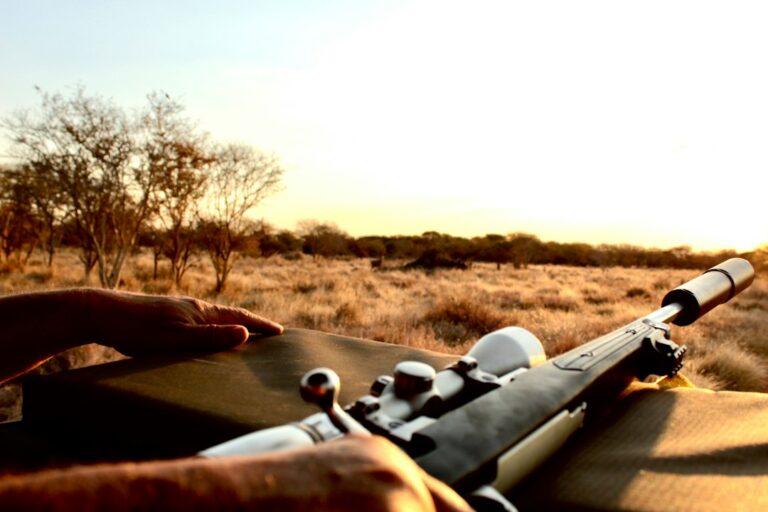
We’ve all been there, staring at the empty slot in the gun safe, dreaming of sending heavy lead downrange with authority. The .300 Winchester Magnum, a cartridge revered for its flat trajectory and formidable energy, often calls to those who seek to push the boundaries of long-range shooting. But stepping onto a long-range range with a .300 Win Mag for the first time isn’t just about showing up with a rifle and a box of ammo. It’s an expedition, a calculated endeavor that demands preparation, precision, and the right gear. We’ve spent countless hours researching, testing, and refining our own setups, and now we’re ready to share our collective wisdom. This isn’t just a list; it’s a blueprint for a successful, safe, and ultimately satisfying first long-range outing with your .300 Win Mag. Let’s delve into the essentials, from the rifle itself to the minutiae of range-day support.
Building the Foundation: Your Rifle and Ammunition
Our journey begins, naturally, with the heart of the operation: the rifle and the ammunition it will consume. The .300 Win Mag is a potent cartridge, and to truly unlock its long-range potential, a carefully considered setup is paramount. We’re talking about more than just pulling a factory rifle off the shelf; we’re talking about a system designed for precision at distance.
The .300 Win Mag Rifle for Long Range
When we consider a .300 Win Mag for long-range work, we’re immediately drawn to certain characteristics that differentiate it from a typical hunting setup. For sending heavier bullets accurately, current guidance strongly favors a fast-twist barrel. We’ve seen examples cited of match-oriented builds utilizing 1:9.25 twist rates, specifically designed to stabilize the longer, heavier projectiles necessary for extended ranges. This faster twist rate is critical because it imparts more spin on the bullet, preventing yaw and ensuring a stable flight path, even in varying atmospheric conditions. Furthermore, a rifle chambered specifically for heavy bullets, often with minimum-SAAMI chambers, ensures consistent seating and optimal bullet-to-bore alignment, which translates directly to enhanced accuracy. While a standard hunting rifle might suffice for closer ranges, for true long-range precision, a dedicated match-style build with these specifications will give us the best chance of success. The robust action, a heavy barrel profile to manage heat and reduce harmonics, and a comfortable, adjustable stock are all components we scrutinize. We’re looking for a platform that can handle the inherent power of the .300 Win Mag while delivering repeatable, sub-minute-of-angle performance.
Selecting the Right Ammunition
This is where the rubber meets the road, or rather, where the propellant meets the bullet. The .300 Win Mag thrives on heavier bullets for long-range applications. Our focus remains squarely on long-range loads featuring heavier, match-style bullets, typically in the 190–230 grain range. These heavier projectiles possess higher ballistic coefficients, meaning they retain energy and resist wind drift more effectively over extended distances. We’ve seen recent listings and guides consistently highlight this weight class for optimal long-range performance. It’s worth noting that while Federal’s ELD-X 200 gr hunting load was once a popular option, it has now been discontinued. This discontinuation underscores the dynamic nature of ammunition availability and the importance of staying current with what’s on the market. We recommend thoroughly researching and testing various loads within the 190–230 grain range from reputable manufacturers known for their match-grade ammunition. Look for bullets with advanced boat-tail designs and consistent manufacturing tolerances. Buying several boxes of different types and weights to see what your rifle “likes” best is a sound strategy; every rifle has its preferences, and finding that perfect pairing is a crucial step in our long-range journey. Consistency across batches is also vital, so once we find a winner, stocking up is often a wise decision to avoid sudden performance shifts due to manufacturing changes.
For those preparing for their first long-range shooting experience with a .300 Win Mag, it’s crucial to have the right equipment and knowledge. An excellent companion article to “Essential Gear for Your First .300 Win Mag Long-Range Range Day” is available at 300wm.com, which provides in-depth insights on ammunition selection, rifle maintenance, and shooting techniques that can enhance your performance on the range. Be sure to check it out for a comprehensive understanding of what to expect and how to prepare effectively.
Optimizing Vision and Control: Optics and Recoil Management
Once we have our primary system sorted, our attention turns to how we see our targets and how we manage the significant energy generated by each shot. Optics are our window to the distant target, and recoil control ensures we can stay on target and make accurate follow-up shots.
Choosing Your Long-Range Optic
A high-quality First Focal Plane (FFP) scope with sufficient magnification is not just recommended; it’s absolutely essential for serious long-range shooting with the .300 Win Mag. Recent roundups and guides consistently emphasize long-range glass in the 10x–30x magnification class. The FFP reticle is crucial because it allows the subtensions (the markings on the reticle) to remain accurate at all magnification levels, which is indispensable for holdovers and windage corrections, especially when we’re pushing out to extreme distances. We look for scopes with crystal-clear glass, excellent light transmission, and robust, repeatable turrets with precise adjustments. Parallax adjustment is another non-negotiable feature. This allows us to eliminate parallax error, ensuring the reticle and target are on the same focal plane, which is critical for consistent accuracy, especially at high magnifications. Consider the eye relief as well; the .300 Win Mag produces substantial recoil, and ample eye relief is a safety consideration to prevent “scope bite.” We often prioritize scopes with generous elevation and windage travel to accommodate the trajectories and environmental factors encountered at long range. Investing in the best glass we can afford is a philosophy we strongly adhere to, as a great rifle is only as good as the optic sitting atop it.
Taming the Beast: Recoil Control
The .300 Win Mag is not a cartridge for the faint of heart, and its substantial recoil can quickly lead to flinching and poor shooting habits if not properly managed. For extreme long-range .300 Win Mag shooting, a moderate muzzle brake is not just a luxury; it’s a recommended necessity. A well-designed muzzle brake works by redirecting a portion of the expanding gases that propel the bullet, significantly reducing felt recoil. The key here is “moderate”; we want a brake that effectively mitigates recoil without sacrificing too much accuracy due to excessive blast or noise. Some brakes can also introduce unwanted turbulence around the muzzle, potentially impacting bullet flight. We aim for a balance: enough recoil reduction to allow for comfortable shooting and quick sight recovery, but not so aggressive that it compromises the rifle’s inherent precision. While some purists might argue against muzzle brakes, for an initial foray into long-range with the .300 Win Mag, especially for sustained practice sessions, it will dramatically improve our shooting experience and help us focus on fundamental marksmanship rather than anticipating the recoil. Proper ear protection, including active hearing protection, becomes even more critical when using a muzzle brake due to the increased decibel levels.
Equipping for the Field: Stability and Observation
Beyond the rifle and optics, a successful long-range range day requires a suite of support gear designed to enhance stability, gather critical data, and ensure we can observe our shots. These items are the unsung heroes of precision shooting.
Achieving Stability: Bipods and Bags
For prone long-range work, stability is paramount. A bipod, shooting bags, and a mat remain standard and indispensable additions to our gear list. The bipod provides a solid, repeatable front rest for the rifle. We prefer sturdy, adjustable bipods that allow for cant and pan, enabling us to quickly level the rifle on uneven terrain and track targets if necessary. The ability to load the bipod (apply forward pressure) without it shifting is a testament to its quality. Shooting bags, particularly a rear bag, are crucial for fine-tuning elevation and ensuring consistent recoil management. We use various shapes and sizes, from small “squeeze” bags that fit perfectly under the buttstock to larger, more substantial bags for different firing positions. These bags allow us to make minute adjustments to point of aim and provide a stable platform for the rifle to recoil into. Finally, a good shooting mat provides a comfortable, insulated, and dry surface for prone shooting, which is often the most stable position for long-range precision. It helps us maintain concentration and focus without the discomfort of cold, wet, or uneven ground distracting us.
Essential Observation and Data Gathering Tools
Sending rounds downrange is only half the battle; knowing where they go and why is equally important. This is where our observation and data-gathering tools come into play. A spotting scope is absolutely vital for observing bullet impacts, especially at distances where the target is a tiny speck. It allows us to see exactly where our shots are landing, enabling us to make immediate corrections. A quality spotting scope with sufficient magnification and a clear image will save us countless trips downrange and help us understand our bullet trace. Alongside this, a reliable rangefinder is non-negotiable. Knowing the precise distance to our target is the first step in calculating our ballistic solution. We look for rangefinders with ample range capability for our intended distances and features like angle compensation. A wind meter, or more comprehensively, a Kestrel weather meter, provides us with real-time environmental data: wind speed and direction, temperature, barometric pressure, and humidity. These factors have a significant impact on bullet flight, and accurate data is essential for precise ballistic calculations. Speaking of which, a ballistic calculator, whether it’s an app on our smartphone or a dedicated device, is our best friend. It takes all the input data (muzzle velocity, bullet BC, range, environmental conditions) and generates precise elevation and windage adjustments for our scope. Having a notebook and pencil for logging dope (data on previous engagements) and sketching out range cards is also incredibly beneficial for analyzing performance and learning from each session.
Supporting the Effort: Maintenance, Comfort, and Safety
A successful range day isn’t just about shooting; it’s about preparation, comfortable execution, and most importantly, safety. These often-overlooked items can make or break an outing.
Maintenance and Adjustments
Even the most meticulously prepared rifle can require minor adjustments or maintenance during a long-range session. Basic tools are essential: a set of Allen keys (hex wrenches) to tighten scope rings, adjust stock components, or tweak a bipod; a torque wrench to ensure scope rings and action screws are tightened to the manufacturer’s specifications, preventing slippage or damage; and a multi-tool for general utility. A basic cleaning kit for the bore and chamber is also important. While we might not undertake a full field strip and clean during a session, addressing carbon buildup in the chamber or a stray piece of fouling in the bore can prevent accuracy issues. Having these tools on hand means we can quickly address any minor issues that arise, keeping our focus on shooting rather than scrambling for repairs. We always double-check our scope mount and ring torque before heading to the range, but having the torque wrench on hand allows for quick verification or re-torque if needed after a few heavy recoil shots.
Enhancing Comfort and Efficiency
Beyond the critical shooting gear, several items contribute significantly to a more comfortable and efficient range day. Binoculars are incredibly useful for scanning the range, spotting targets, and observing conditions without having to constantly peer through the spotting scope. As mentioned, a notebook and pencil are invaluable for recording dope, environmental data, and observations. This meticulous record-keeping is crucial for learning and improving our long-range skills. A brass-collection bag, while seemingly trivial, is a courteous and practical item. It keeps our firing line tidy and ensures we’re not leaving spent casings scattered across the range, adhering to good range etiquette. We also bring a comfortable chair or stool if we anticipate any waiting periods or if we want a break from prone shooting. Hydration and snacks are also critical, especially during longer sessions; staying alert and energized prevents fatigue from impacting our shooting performance.
If you’re preparing for your first long-range shooting experience with a .300 Win Mag, it’s crucial to have the right equipment to ensure a successful day at the range. A related article that can provide valuable insights on essential gear is available for those looking to enhance their shooting experience. You can check it out here for tips on selecting the best accessories and understanding the importance of proper ammunition and optics. Being well-prepared can make all the difference in your performance and enjoyment during your range day.
The Unspoken Essential: Safety and Preparedness
| Gear Item | Description | Recommended Specifications | Purpose |
|---|---|---|---|
| .300 Win Mag Rifle | High-powered rifle chambered in .300 Winchester Magnum | Barrel length: 24-26 inches, Bolt-action or semi-auto | Primary firearm for long-range shooting |
| Long-Range Scope | Optical sight with magnification and reticle for precision | 10x-25x magnification, Mil-Dot or MOA reticle | Accurate target acquisition at extended distances |
| Spotting Scope | High-magnification scope for observing target impacts | 15x-60x magnification | Spotting bullet impacts and adjusting shots |
| Ballistic Calculator | Device or app to calculate bullet trajectory and environmental effects | Supports .300 Win Mag ballistics, includes wind and elevation inputs | Improves shot accuracy by compensating for variables |
| Rangefinder | Laser device to measure distance to target | Accurate up to 1000+ yards | Determines exact target distance for ballistic calculations |
| Stable Shooting Rest or Bipod | Support device to stabilize rifle during shooting | Adjustable height, sturdy build | Reduces rifle movement for consistent shots |
| Ammunition | Factory or handloaded .300 Win Mag cartridges | Match-grade, 180-220 grain bullets | Ensures reliable and accurate shooting performance |
| Protective Gear | Safety equipment including ear and eye protection | ANSI-rated ear plugs or muffs, impact-resistant glasses | Protects shooter from noise and debris |
| Cleaning Kit | Tools and solvents for rifle maintenance | Caliber-specific brushes and patches | Maintains rifle performance and longevity |
| Weather Meter | Device to measure wind speed, temperature, and humidity | Portable, accurate sensors | Provides environmental data for ballistic adjustments |
Finally, and perhaps most importantly, is the commitment to safety. Shooting a high-power cartridge like the .300 Win Mag at long range requires an acute awareness of our surroundings and a readiness for any eventuality.
Comprehensive Safety Measures
Our primary concern is always safety. Proper eye protection and hearing protection are non-negotiable. With a muzzle-braked .300 Win Mag, active hearing protection that amplifies conversation while suppressing muzzle blasts is highly recommended. It allows for better communication on the firing line, which is a key component of range safety. Beyond the immediate ballistic safety, we always include basic trauma supplies in our range bag. A tourniquet and pressure bandages are essential components of some long-range gear checklists, and for good reason. Accidents, while rare, can happen, and being prepared to provide immediate first aid can be life-saving. We also bring a basic first-aid kit for minor cuts and scrapes. Understanding and adhering to all range rules is paramount. This includes muzzle discipline, finger off the trigger until ready to fire, and being acutely aware of the backstop and potential ricochets. We also make it a practice to communicate our intentions clearly with fellow shooters on the line. Knowing and practicing the four universal rules of firearm safety is the bedrock of every successful and safe range trip.
Stepping onto the long-range with a .300 Win Mag for the first time is an exciting endeavor. By meticulously assembling our gear, understanding the nuances of our rifle and ammunition, and prioritizing safety, we’re not just preparing for a day of shooting; we’re preparing for an experience that will challenge our skills and deepen our appreciation for precision marksmanship. Each piece of gear, from the fast-twist barrel to the trauma kit, plays a vital role in ensuring that our first long-range range day is not just successful, but also safe and ultimately rewarding. We look forward to seeing you out on the line, sending those heavy bullets downrange with confidence and precision.
FAQs
What is the .300 Win Mag cartridge commonly used for?
The .300 Win Mag cartridge is widely used for long-range shooting, hunting large game, and competitive shooting. Its high velocity and flat trajectory make it suitable for taking down animals such as elk, moose, and bear at extended distances.
What essential gear should I bring for my first long-range range day with a .300 Win Mag?
Essential gear for your first long-range range day includes a quality rifle chambered in .300 Win Mag, appropriate optics (such as a high-powered scope), a sturdy bipod or shooting rest, a rangefinder, and a good supply of ammunition. Additionally, consider bringing ear protection, eye protection, and a shooting mat for comfort.
How can I prepare my .300 Win Mag rifle for a long-range shooting session?
To prepare your .300 Win Mag rifle, ensure it is clean and properly zeroed at your desired distance. Check the scope for proper mounting and alignment, and confirm that all screws and components are secure. It’s also advisable to practice with your rifle at shorter distances before attempting long-range shots.
What type of ammunition is best for long-range shooting with a .300 Win Mag?
For long-range shooting with a .300 Win Mag, match-grade ammunition is recommended. Look for bullets with a high ballistic coefficient, such as those designed for precision shooting, typically in weights ranging from 165 to 200 grains. Brands like Federal Premium, Hornady, and Nosler offer reliable options.
What shooting techniques should I focus on during my first long-range range day?
During your first long-range range day, focus on proper shooting techniques such as establishing a stable shooting position, controlling your breathing, and practicing trigger discipline. Additionally, learn to read wind conditions and adjust your aim accordingly, as wind can significantly affect bullet trajectory at long distances.