Understanding the Role of the Precision Rifle Stock
When we embark on the journey of precision shooting, whether for competitive PRS stages or ethical long-range hunting, every component of our rifle system plays a critical role. However, few elements are as intrinsically linked to our performance, comfort, and consistency as the rifle stock. It’s the primary interface between us and the firearm, dictating how we hold the rifle, how it interacts with our body during recoil, and ultimately, how accurately we can place successive shots. We often hear about the importance of barrel quality, trigger pull, and optics clarity, but the stock—the foundation upon which these other components are built—deserves equal, if not greater, scrutiny.
Our objective here is not just to provide a resting place for the barreled action, but to create a stable, repeatable platform that actively manages recoil and minimizes inconsistencies. A well-chosen stock transforms the violent kinetic energy of a cartridge discharge into a controlled, manageable push, allowing us to stay on target, spot our impacts, and make rapid follow-up shots. Without this crucial foundation, even the most expensive actions and meticulously crafted barrels will struggle to deliver their full potential. We’ve seen firsthand how an ill-fitting or poorly designed stock can introduce flinches, disrupt natural point of aim, and erode confidence, making the pursuit of precision an uphill battle. Conversely, a stock that harmonizes with our individual physiology and shooting style can elevate our performance significantly, transforming a good shooter into an exceptional one.
When selecting a precision rifle stock for optimal recoil control and consistency, it’s essential to consider various factors that influence performance. A related article that delves deeper into the intricacies of rifle stock selection and its impact on shooting accuracy can be found at 300wm.com. This resource provides valuable insights and expert recommendations that can help shooters make informed decisions tailored to their specific needs and preferences.
The Pillars of Recoil Control and Consistency
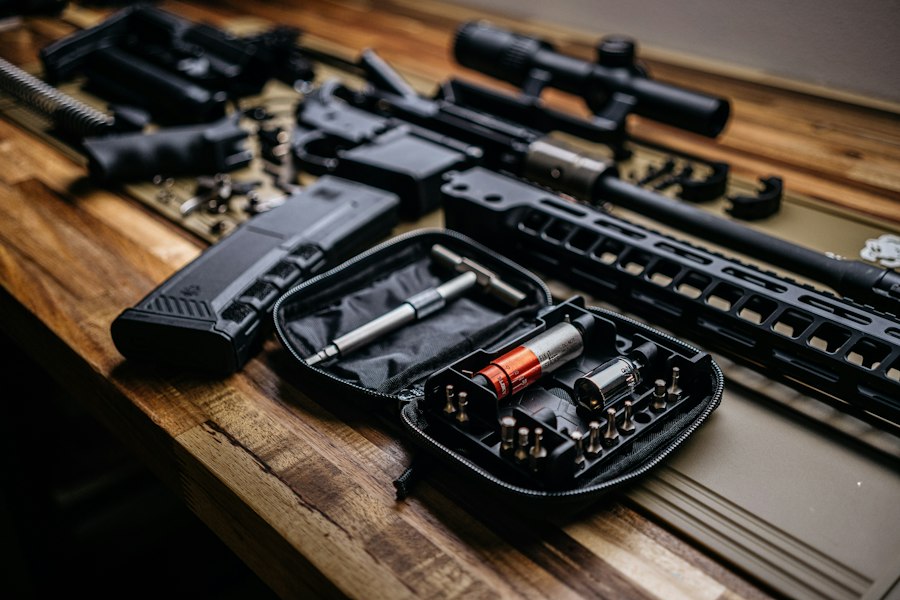
Achieving optimal recoil control and shot-to-shot consistency is a multi-faceted endeavor, with the rifle stock acting as a central control hub. Several key design elements and material choices contribute directly to these critical aspects of precision shooting. We’ve identified these pillars through extensive experience and by observing the latest innovations in the industry, understanding that each plays a vital role in our overall success.
Fit and Adjustability: The Personal Connection
We’ve consistently found that the most significant driver of both recoil control and consistency is how well the stock fits us, the shooter. It’s not enough for a stock to merely attach to the action; it must become an extension of our body. This is where adjustability truly shines. Recent testing of modern stocks, such as the MDT CRBN, consistently emphasizes that a properly fitted stock, featuring an adjustable comb and length of pull (LOP) shims or mechanisms, is absolutely key to consistent shooting and effective recoil management. When the stock fits us like a glove, our eye-to-scope alignment becomes natural and repeatable, minimizing head movement and ensuring a consistent cheek weld. This consistency in body position is paramount for controlling recoil, as it allows the rifle’s energy to be absorbed predictably along our body’s axis, rather than inducing torque or erratic movement.
We look for stocks that offer tool-less adjustment for both cheek height and LOP, enabling us to quickly fine-tune our setup for different shooting positions or even varying clothing layers. Products like the Magpul PRS Gen 3 for AR platforms are excellent examples of this focus, providing rapid adjustments that allow us to maintain that crucial consistent eye-to-scope alignment and body position. This ability to dial in the perfect fit directly translates to improved recoil control because our body is positioned optimally to absorb the energy, and enhanced long-range consistency because our rifle presentation is identical shot after shot. A comfortable, repeatable cheek weld also prevents “scope bite” and encourages us to relax into the shot, further mitigating flinching and improving our natural point of aim.
Ergonomics for Repeatable Control
Beyond mere adjustability, the overall ergonomic design of the stock profoundly impacts our ability to control the rifle and maintain consistency. Modern hunting stocks, for instance, are increasingly incorporating PRS-style ergonomics, recognizing that precision demands better control regardless of the discipline. McMillan’s new Mountain Tracker precision hunting stock exemplifies this trend by adding a vertical grip and ambidextrous thumb shelves. These features are not just aesthetic; they promote correct trigger technique by allowing for a straight pull without torquing the rifle, and they ensure repeatable hand placement. Consistent hand placement on the grip is crucial for consistent trigger manipulation and for maintaining a stable hold on the rifle throughout the recoil impulse.
Furthermore, features like a negative comb angle, as seen on the Mountain Tracker, are specifically designed to promote a stable cheek weld and improve comfort under recoil. This geometry helps to keep our head securely on the stock, reducing the tendency for our head to lift off the stock during recoil, which can disrupt our sight picture and introduce inconsistencies. A well-designed grip and comb allow us to manage the rifle effectively, preventing us from “muscling” the gun and instead encouraging a relaxed, yet firm, hold that lets the rifle recoil naturally along its intended path. We always seek stocks that feel natural in our hands, allowing us to apply consistent pressure points and maintain perfect trigger discipline without strain.
Recoil Pads and Comb Geometry: The Direct Interface
The interface where the rifle meets our shoulder and cheek is critical for mitigating felt recoil and ensuring comfort. Soft, modern recoil pads and thoughtful comb geometry are now standard on big-recoiling and precision rifles, and for good reason. Many current precision-oriented factory rifles and even lever guns ship with soft rubber recoil pads and comb shapes specifically designed to keep the rifle planted and reduce felt recoil. These pads, often made from advanced elastomers, spread the recoil energy over a larger surface area and absorb a significant portion of the impulse, transforming a sharp kick into a softer push. This reduction in felt recoil directly supports quicker follow-up shots and more consistent groups, as we are less likely to anticipate or flinch away from the shot.
Beyond the pad itself, the geometry of the buttstock and comb also plays a crucial role. A well-designed comb, often with a slight negative angle or a contoured shape, guides our head into a consistent position and provides a stable platform for our cheek. This stability prevents our head from bouncing or moving erratically during recoil, ensuring that our eye remains aligned with the scope. When the rifle moves predictably and comfortably against our shoulder and cheek, we are more likely to track our shots through the scope, spot impacts, and remain focused on our target, rather than anticipating the next recoil event. We pay close attention to the quality and design of these components, understanding that they are our last line of defense against recoil’s disruptive forces.
Materials and Construction for Damping and Stability
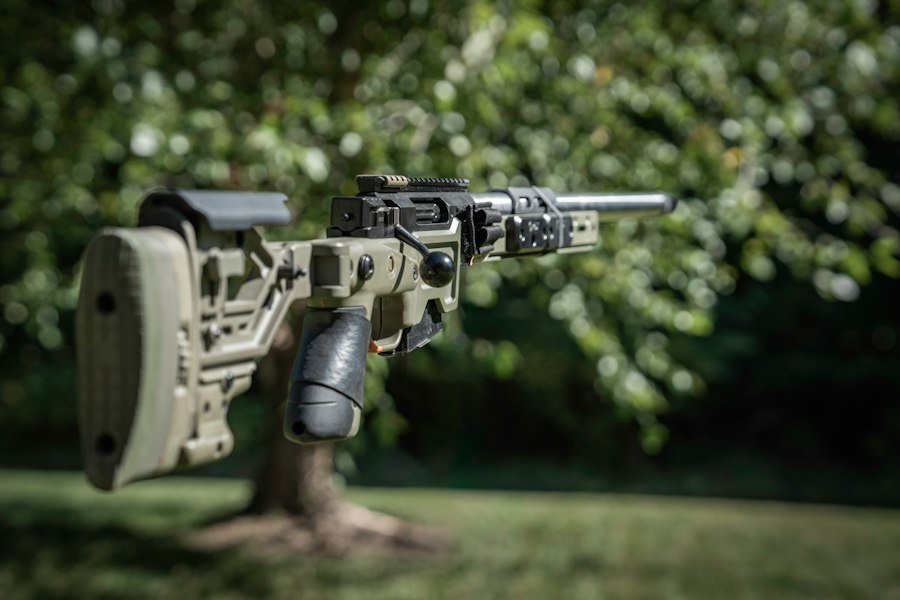
The choice of materials and the internal construction of a precision rifle stock are no longer just about strength and weight. Modern advancements have introduced a nuanced understanding of how different materials interact with recoil energy, emphasizing vibration damping and a “less lively” feel in addition to sheer recoil absorption. We’ve observed a significant evolution in this area, particularly with the emergence of advanced composites.
Carbon Fiber Innovation: Lightness and Damping Cores
The precision rifle world has embraced carbon fiber for its unparalleled strength-to-weight ratio, but new carbon-fiber precision hunting and PRS stocks are now focusing on integrating recoil-damping cores. This is a significant step beyond simply making a light stock. MDT’s new CRBN stock stands out as a prime example, utilizing a magnesium mini-chassis embedded within a carbon shell, further enhanced with a foam fill. This innovative combination is specifically “engineered to soak up recoil” while maintaining its remarkably light weight, which is crucial for hunting and competitive scenarios where every ounce counts.
The key here is not just the lightness, but the multi-material approach to energy management. The carbon fiber provides the rigid, lightweight exterior, while the internal magnesium chassis adds structural integrity and contributes to mass distribution. The foam fill, however, is the game-changer for damping. We understand that recoil isn’t just a single rearward impulse; it also involves harmonics and vibrations traveling through the rifle. These vibrations can cause subtle scope shake and disrupt our ability to track shots. By incorporating foam, these new carbon stocks are marketed for damping vibration and providing a “less lively” feel in recoil, making it easier to track shots through the scope for faster corrections. This allows us to observe bullet trace, spot impacts, and make rapid adjustments, which is invaluable in both competition and hunting.
Traditional Synthetics and Laminates: Proven Performers
While carbon fiber represents the cutting edge, traditional synthetic stocks (typically made from fiberglass, composites like GFK or similar polymer blends) and laminated wood stocks continue to be excellent choices, particularly for their inherent stability and mass. Fiberglass stocks, often hand-laid and pillar-bedded, offer exceptional rigidity and can be precisely shaped for ergonomics. Their solid construction, when properly designed, helps to distribute recoil effectively across a larger surface area of the shooter’s shoulder.
Laminated wood stocks, on the other hand, bring a unique combination of density and aesthetic appeal. The laminations, essentially thin layers of wood bonded together with resin, create a material that is incredibly stable and resistant to warping, offering consistency that solid wood struggles to match. The higher mass of many laminated stocks can also contribute to felt recoil reduction, as a heavier object resists movement more effectively. While they might not offer the extreme lightness of carbon fiber, their inherent rigidity and damping characteristics make them consistent performers. For many shooters, the solid feel and classic appearance of a high-quality laminate or synthetic stock are preferred, providing a robust and dependable platform that effectively manages recoil through its sheer mass and structural integrity.
Mini-Chassis and Bedding Systems for Unwavering Stability
Beyond the external shell and its damping properties, the internal structure that cradles the barreled action is paramount for achieving true precision and consistency. This is where the concepts of mini-chassis systems and traditional bedding come into play, each offering distinct advantages in ensuring the action remains perfectly aligned and stable under all conditions.
Integrated Mini-Chassis: The Modern Foundation
We’ve seen a significant shift towards integrated mini-chassis systems in modern precision rifle stocks, and for good reason. A mini-chassis is essentially a machined aluminum or magnesium block that is permanently molded or affixed within the stock. The barreled action then bolts directly into this metallic chassis, creating an incredibly rigid and stable interface. This metallic connection points between the action and the stock minimizes any flex or movement that could otherwise occur with traditional bedding under the stresses of recoil or environmental changes.
The advantage of a mini-chassis is multi-fold. Firstly, it provides a perfect, stress-free fit for the action, ensuring consistent barrel harmonics and preventing any torquing of the action when the guard screws are tightened. This is critical for shot-to-shot consistency. Secondly, the metallic chassis itself contributes to vibration damping, acting as an internal skeleton that distributes energy efficiently. Stocks like the MDT CRBN, with its magnesium mini-chassis, leverage this technology to enhance structural integrity while keeping the overall weight down. We appreciate that a mini-chassis often eliminates the need for traditional epoxy bedding (though some custom builders might still skim bed over the chassis for the ultimate fit), simplifying installation and ensuring a factory-perfect fit that can be disassembled and reassembled without fear of losing zero. This robust and repeatable connection between action and stock is a cornerstone of modern precision rifle design.
Traditional Bedding: Timeless Precision
While mini-chassis systems are gaining prominence, traditional bedding, particularly pillar and epoxy bedding, remains a proven and highly effective method for ensuring absolute consistency. Pillar bedding involves installing metal pillars within the stock’s action screw holes, preventing the stock material from crushing or deforming when the action screws are torqued down. This creates a solid, unyielding point of contact for the action, ensuring consistent pressure and preventing any movement.
Epoxy bedding takes this a step further. It involves carefully applying an epoxy compound between the barreled action and the stock, allowing it to cure and form a perfectly contoured, stress-free interface. This bespoke fit eliminates any minute gaps or irregularities between the metal action and the stock material, ensuring that the action sits in its cradle with absolute stability. The epoxy acts as a shock absorber and vibration dampener, further enhancing recoil control and shot consistency. While more labor-intensive than a mini-chassis, a properly executed epoxy bedding job by a skilled gunsmith can provide an unparalleled level of precision and stability. We understand that for many custom builds and traditionalists, the meticulous process of pillar and epoxy bedding remains the gold standard for achieving the utmost accuracy and reliability from their precision rifle.
When selecting a precision rifle stock for optimal recoil control and consistency, it’s essential to consider various factors that can influence your shooting experience. A related article that delves deeper into the importance of stock materials and design can be found here. Understanding how different stocks can absorb recoil and maintain stability will help you make an informed decision, ultimately enhancing your accuracy and performance on the range.
The Long-Term Impact on Performance
| Metric | Importance for Recoil Control | Importance for Consistency | Typical Values / Features | Notes |
|---|---|---|---|---|
| Material | High | High | Aluminum, Carbon Fiber, Polymer | Stiffer materials reduce flex and absorb less recoil energy |
| Adjustability (Cheek Rest & Length of Pull) | Medium | High | Multiple adjustment increments (e.g., 1/8 inch) | Ensures consistent eye alignment and comfortable shooting position |
| Weight | Medium | Medium | 3 to 7 lbs (stock only) | Heavier stocks can reduce felt recoil but may affect handling |
| Recoil Pad Quality | High | Low | Soft rubber or gel pads | Absorbs recoil energy to reduce shooter fatigue |
| Stock Geometry (Straight vs. Angled Comb) | Medium | High | Straight comb preferred for scope alignment | Proper geometry aids in consistent cheek weld and sight picture |
| Fore-end Design | Low | Medium | Flat bottom, wide for bipod stability | Improves stability when shooting from rests or bipods |
| Surface Finish | Low | Medium | Matte, non-reflective coatings | Reduces glare and distractions for consistent aiming |
Our journey in precision shooting is one of continuous refinement, and the choice of a rifle stock has a profound and lasting impact on our performance, far beyond the initial exhilaration of a new purchase. The effects ripple through every aspect of our shooting experience, from our ability to engage targets effectively to our sheer enjoyment of the sport.
Enhanced Spotting and Follow-Up Capability
One of the most immediate and tangible benefits of a well-chosen precision rifle stock is the dramatic improvement in our ability to spot impacts and make rapid follow-up shots. When a stock effectively manages recoil, transforming a harsh kick into a manageable push, we are less likely to be thrown off target. This allows us to keep our eye firmly on the scope, tracking the bullet’s path, observing the impact point, and seeing the reaction of the target. We’ve often observed that carbon stocks with foam or composite fills, marketed for damping vibration and providing a “less lively” feel in recoil, significantly contribute to this. The reduced rifle movement and vibration make it easier to stay on target and track shots through the scope, which is invaluable for calling corrections, especially in dynamic PRS stages or when hunting rapidly moving game.
The ability to spot impacts is not just about bragging rights; it’s a critical skill for making effective corrections and improving our understanding of ballistics. Without it, we’re essentially shooting blind, relying solely on data and external spotters. With a stock that aids in recoil control, we become our own spotters, gaining crucial real-time feedback that accelerates our learning curve and improves our overall precision. Furthermore, the quick return to target facilitated by effective recoil management allows for faster and more confident follow-up shots, an essential advantage in competitive scenarios and for ensuring humane kills in hunting.
Mitigating Shooter Fatigue and Anticipation
Another significant long-term impact of a superior rifle stock is its role in mitigating shooter fatigue and the dreaded anticipation of recoil. Shooting powerful precision rifles, especially during extended range sessions or multi-stage competitions, can be physically demanding. An ill-fitting or poorly designed stock can exacerbate this, leading to discomfort, bruising, and muscle strain. This physical fatigue can quickly translate into mental fatigue and, crucially, lead to flinching or anticipating recoil. Anticipation, often subconscious, is one of the biggest enemies of precision, causing us to pull shots off target just before the gun fires.
A stock that fits us perfectly, with optimal ergonomics, an effective recoil pad, and dampening materials, dramatically reduces the felt recoil and physical stress. When we are comfortable and confident that the recoil will be managed, our body relaxes, and we can focus entirely on fundamental shooting techniques – sight picture, breath control, and trigger pull. The consistency provided by proper fit and recoil control helps break the cycle of anticipation, allowing us to maintain a consistent shooting rhythm and positive mindset throughout our shooting session. We find that this translates directly into better performance over time, as we can train longer, more effectively, and with less physical and mental strain.
Elevating Overall Precision and Confidence
Ultimately, the choice of a precision rifle stock is about elevating our overall precision and confidence. When every component of our rifle system works in harmony, and the stock provides a stable, repeatable, and comfortable interface, our accuracy inevitably improves. We are able to extract the maximum potential from our barreled action, knowing that the foundation is rock solid. The consistency derived from a properly fitted and recoil-managing stock translates into tighter groups, more reliable hits at extended ranges, and a greater understanding of our rifle’s capabilities.
This increased precision, in turn, boosts our confidence. When we trust our equipment and feel comfortable behind the rifle, we approach each shot with a calm and focused demeanor. This confidence is invaluable, particularly in high-pressure situations, whether it’s a critical shot on an animal or a stage-winning performance in a competition. The rifle stock, often underestimated, is a pivotal component in building this trust and enabling us to consistently perform at our peak. We’ve learned that investing wisely in this crucial interface is not just about avoiding discomfort; it’s about unlocking our full potential as precision shooters.
FAQs
What factors should I consider when choosing a precision rifle stock for recoil control?
When selecting a precision rifle stock for recoil control, consider factors such as the stock material (wood, fiberglass, or synthetic), the design (thumbhole, chassis, or traditional), weight distribution, and the presence of adjustable features like comb height and length of pull. A heavier stock can help absorb recoil, while a well-designed stock can improve overall stability and comfort during shooting.
How does stock material affect recoil management?
The material of the stock plays a significant role in recoil management. Synthetic stocks are generally lighter and can absorb recoil better than wood stocks, which may be more rigid. Fiberglass stocks often provide a good balance of weight and durability, while wooden stocks can offer aesthetic appeal but may not perform as well in terms of recoil absorption.
What is the importance of stock design in achieving consistency?
The design of the stock is crucial for achieving consistency in shooting. A well-designed stock provides a stable platform that helps maintain proper alignment and reduces movement during recoil. Features such as adjustable cheek pieces and butt pads allow for a customized fit, which can enhance comfort and improve shooting consistency over time.
Can adjustable stocks improve recoil control?
Yes, adjustable stocks can significantly improve recoil control. By allowing shooters to customize the length of pull and comb height, adjustable stocks enable a better fit for individual shooters. This personalized fit can lead to improved shooting posture and reduced fatigue, ultimately enhancing recoil management and overall shooting performance.
What role does weight play in the performance of a precision rifle stock?
Weight is a critical factor in the performance of a precision rifle stock. Heavier stocks can help mitigate recoil by absorbing more of the energy generated during firing, leading to better follow-up shots. However, excessively heavy stocks may hinder maneuverability and increase fatigue during extended shooting sessions. Finding the right balance between weight and stability is essential for optimal performance.